What Is Standard Courier Delivery?
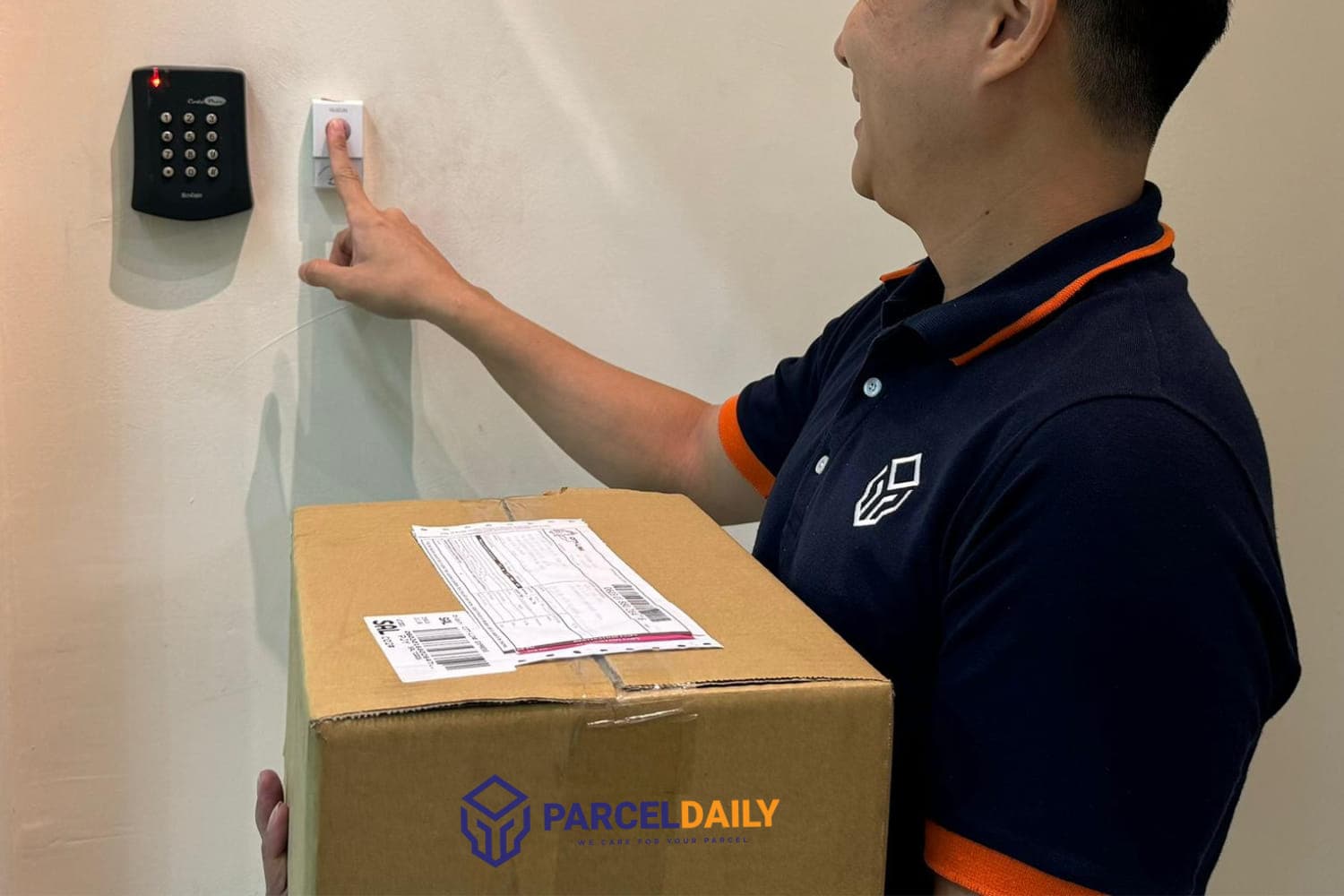
Standard courier delivery is the hub-and-spoke model used by couriers such as J&T Express, Pos Laju, Ninja Van, SPX Express and DHL eCommerce. Your parcel is collected (or dropped off), sent to a sorting hub, consolidated with thousands of other parcels, trucked or flown to a destination hub, then handed to a local rider for the final delivery.
How it typically works
- You book the shipment and print a consignment note (airway bill).
- The courier picks up the parcel, usually the same or next working day, or you drop it at a branch.
- The parcel moves through one or more sorting hubs.
- A delivery rider completes the last mile, generally 1 to 3 working days after pickup for Peninsular Malaysia, longer for Sabah, Sarawak and remote areas.
Why it is cheap
Every stage is shared with other parcels, so the cost per parcel is low. At ParcelDaily, domestic delivery rates start from around RM5 for the first 3kg. The trade-off is time: the parcel waits for pickup, sorting and route planning before it moves.
Best for: nationwide orders, non-urgent parcels, high volumes, and anything where the customer expects delivery in a few days rather than a few hours.
What Is On-Demand Delivery?
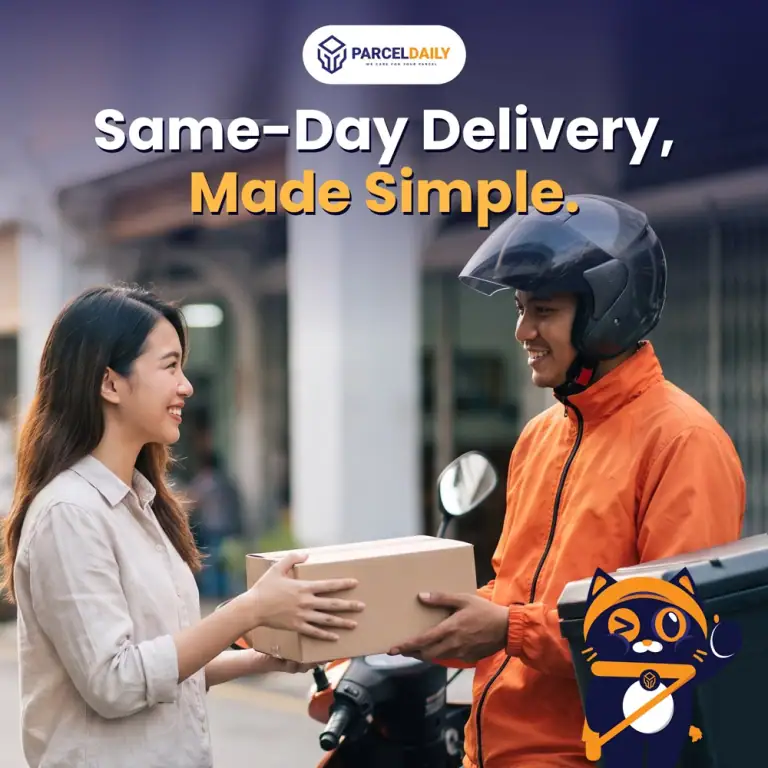
On-demand delivery is point-to-point. A rider or driver from a platform such as GoGet, Grab or Lalamove is dispatched to your location, collects the parcel, and takes it straight to the recipient. There is no sorting hub and no consolidation, which is why it can be completed within the hour inside the same city.
How it typically works
- You enter the pickup and drop-off addresses and choose a vehicle type (motorcycle, car or van) based on parcel size.
- The platform quotes a price based on distance, vehicle and current demand.
- A nearby rider accepts the job and heads to you, often within minutes.
- The parcel is delivered directly, usually within 1 to 3 hours depending on distance and traffic, with live tracking throughout.
Why it costs more
You are paying for one rider’s time and fuel for one trip. Prices are distance-based and can rise during peak hours or bad weather. A short intra-city delivery might cost RM8 to RM15 by motorcycle, while a cross-city car delivery can easily exceed RM30.
Best for: urgent orders, same-city customers, perishable or time-sensitive items, and situations where speed is worth the premium.
Side-by-Side Comparison
| Standard courier | On-demand delivery | |
| Delivery speed | 1–3 working days (longer for East Malaysia) | Within the hour to a few hours |
| Coverage | Nationwide, including rural areas | Within a city or metro area |
| Pricing model | By weight and zone; from ~RM5 for 3kg | By distance and vehicle type; from ~RM8 |
| Parcel size | Up to courier limits (typically 30kg per parcel) | Motorcycle for small items; car or van for bulky goods |
| Pickup | Scheduled, same or next working day | Rider arrives within minutes, or scheduled ahead |
| Tracking | Scan-based status updates at each hub | Live GPS tracking of the rider |
| Volume handling | Built for bulk; dozens of parcels per pickup | One trip, one route; multi-drop possible but limited |
| Best for | Nationwide e-commerce orders, non-urgent parcels | Urgent, local, perishable or high-value deliveries |
When to Choose Which: A Simple Decision Guide
Ask three questions about the order:
- Is the recipient in the same city or metro area?
If no, standard courier is your only practical option. - Does it need to arrive today?
If no, standard courier will almost always be cheaper. - Is the item perishable, fragile, high-value or tied to a deadline?
If yes, the on-demand premium is usually worth it.
If you answered yes to all three, go on-demand. Otherwise, standard courier is the better default.
Real-world scenarios
- A customer in Johor orders a phone case from your KL shop. Standard courier. It is out of your city, not urgent, and costs a fraction of the alternative.
- A bakery in Petaling Jaya gets a same-day cake order for Subang Jaya. On-demand by motorcycle or car. The item is perishable and time-bound.
- A customer complains their order arrived damaged and needs a replacement before an event tomorrow. On-demand if local, or standard courier with the fastest service if interstate.
- A retail chain needs to move 20 cartons of stock from a warehouse to an outlet across town. On-demand by van. One trip, same day, no need to label 20 individual parcels.
- Your weekend sale generates 150 orders across Malaysia. Standard courier, bulk booking. On-demand would be unaffordable and most customers are not local.
- A clinic needs lab samples delivered to a lab within two hours. On-demand, always.
Common Mistakes and How to Keep Delivery Costs Under Control
- Using on-demand for everything “just to be safe.” Delivery becomes your biggest cost line. Reserve it for orders that truly need it and make standard courier your default.
- Not offering same-day as a paid option. Many customers will happily pay RM10 to RM15 extra for same-day delivery. Add it as a checkout choice instead of absorbing the cost or not offering it at all.
- Booking on-demand at peak hours. Prices surge during lunch, evening rush and rain. If the parcel can wait two hours, schedule the pickup for an off-peak slot.
- Choosing the wrong vehicle. A motorcycle is cheapest, but an oversized parcel will be rejected at pickup and you lose time. Check dimensions before booking.
- Comparing rates manually across platforms. Prices for the same route can differ noticeably between on-demand providers, and between couriers for the same weight. Use a platform that shows live rates side by side so you pick the best option each time.
- Keeping delivery spend in separate accounts. When courier and on-demand payments sit in different wallets and dashboards, it becomes hard to see your true delivery cost per order. Centralise where you can.
How to Book a GoGet Delivery via ParcelDaily
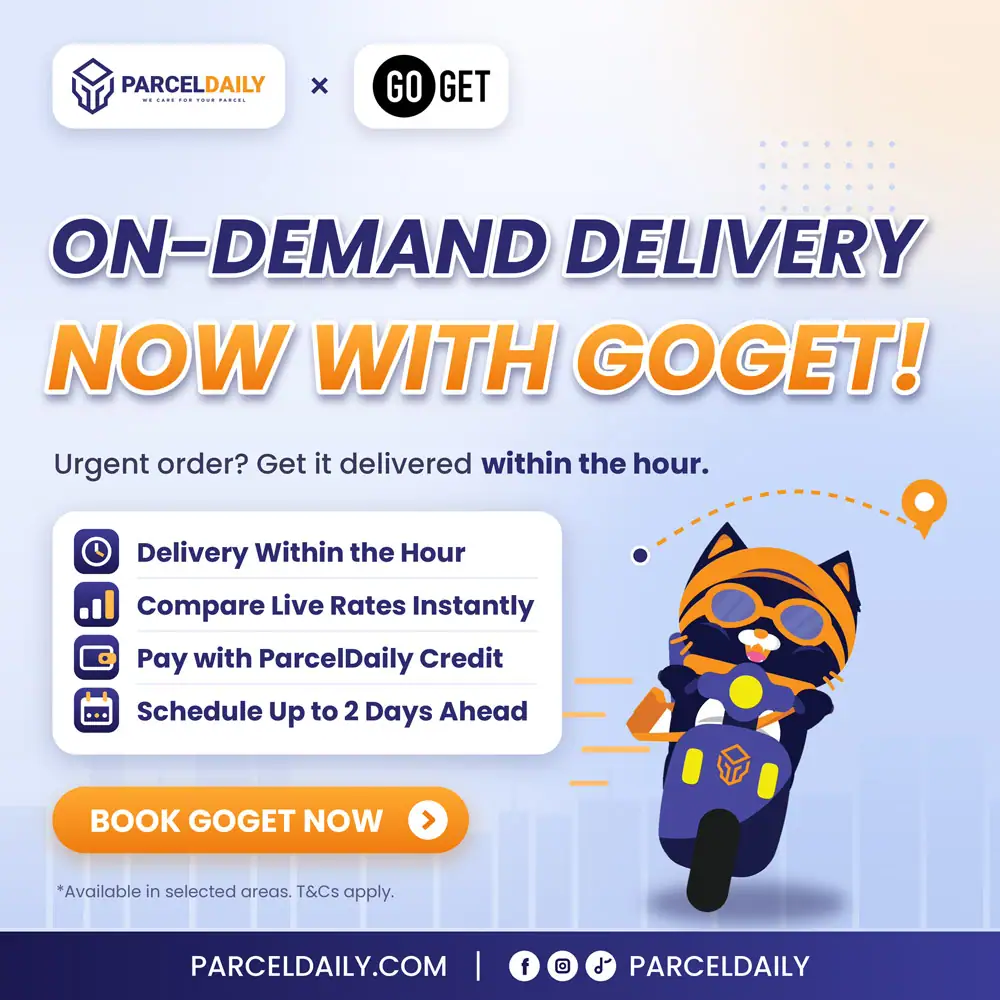
Once on-demand delivery is live, booking GoGet takes under a minute from the ParcelDaily dashboard:
- Log in to your ParcelDaily dashboard at parceldaily.com.
- Select On-Demand Delivery and enter the pickup and drop-off addresses.
- Enter the parcel details so the right vehicle type is suggested (motorcycle for small items, car or van for bulky goods).
- Compare the live rates and estimated delivery times from GoGet, Grab and Lalamove.
- Choose GoGet, then pick immediate dispatch or schedule a pickup up to two days ahead.
- Confirm and pay from your ParcelDaily wallet. No separate GoGet account or top-up is needed.
- Track the GoGetter in real time from the same dashboard until the parcel is delivered.
Tip: schedule off-peak pickups where possible. Rates for on-demand delivery are distance-based and can rise during rush hour or heavy rain.
Both Options, One Dashboard
The most efficient sellers do not pick one model. They use standard courier for the bulk of their orders and on-demand for the handful that need it, and they decide order by order.
ParcelDaily is built for exactly that. Compare rates across J&T, Pos Laju, Ninja Van and other couriers for nationwide shipments, and soon compare GoGet, Grab and Lalamove for same-day local deliveries, all from one dashboard and one wallet. The right option for each parcel is a click away, and your delivery spend stays in one place.