

Key Takeaways
- Parcel pickup lets a courier partner collect prepared shipments from your business, so your team can avoid repeated trips to a drop-off point.
- The process covers booking, courier selection, packing, airway bill printing, collection, tracking, delivery, and handling any exceptions.
- For ParcelDaily bookings, the published same-day cutoff is 12pm, while collection is usually between 2pm and 7pm, depending on the courier.
- Pickup works well for regular shipment batches; drop-off can be more practical for occasional parcels or urgent handover.
- Accurate parcel details, readable labels, organised handover records, and staff availability help reduce avoidable pickup problems.
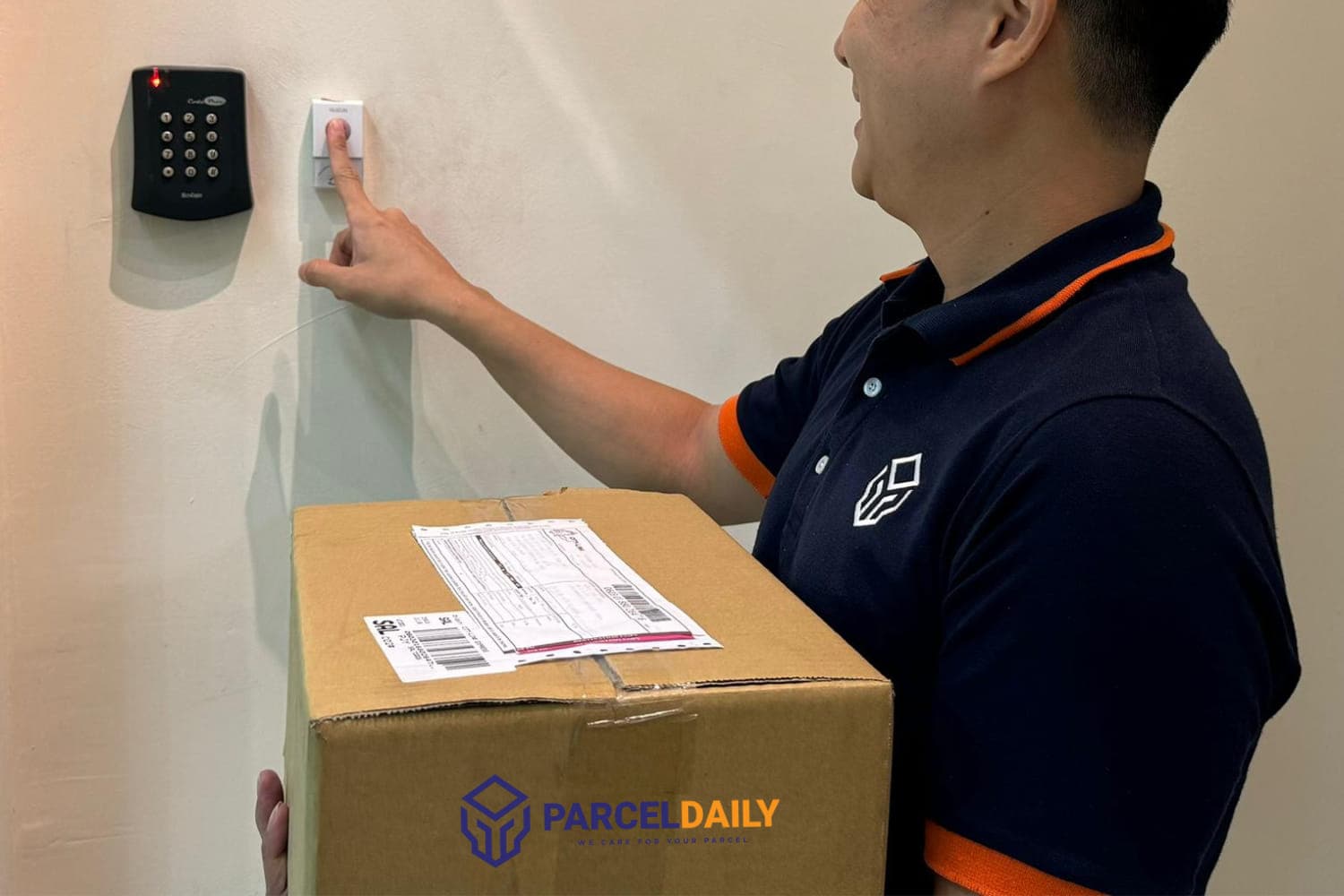
Parcel pickup service in Malaysia allows a courier partner to collect prepared parcels from your home, office, shop, or warehouse. You book the shipment online, attach the airway bill, and keep it ready for collection. It helps businesses dispatch orders without sending staff to a courier counter.
The real benefit is not simply convenience. A reliable pickup routine can protect packing time, reduce counter trips, and give operations teams a clearer daily handover. This guide explains the workflow, when pickup makes sense, and how to prepare for fewer disruptions.
What Is Parcel Pickup Service?
Parcel pickup service is an arrangement where a courier collects outgoing shipments from the sender’s address. The courier then brings them into its sorting and delivery network. Pickup availability, minimum parcel counts, operating days, coverage, and fees can differ by courier and service channel.
Businesses can book directly with a courier or use a multi-courier platform. With ParcelDaily, you can compare available courier options in one place before choosing how to send each shipment.
Pickup is commonly used by:
- Home-based online sellers dispatching daily orders
- Retailers shipping website or social-commerce purchases
- Offices sending documents, samples, or replacement items
- SMEs processing batches from a shop or small warehouse
- Operations teams that want one repeatable handover routine
The courier partner performs the physical collection and delivery. ParcelDaily provides the booking platform and support, rather than promising that every courier collection will happen at an exact time.
How Does Pickup Delivery Work for Businesses?
A business pickup is a chain of connected steps. An error at the booking or labelling stage can follow the parcel into collection, sorting, billing, or delivery, so each step deserves a quick check.
1. Create the shipment
Enter the sender’s pickup address and contact details, followed by the recipient’s name, phone number, postcode, and full delivery address. Add clear pickup instructions if the location is difficult to access, such as a loading-bay entrance or guardhouse procedure.
2. Enter the parcel details
Record the packed parcel’s actual weight and outside dimensions. Couriers may compare actual weight with volumetric weight and charge according to the applicable billable weight. Measure the final packed box, not the unboxed product.
Include the parcel contents and declared value accurately. If the shipment uses cash on delivery, enter the collection amount and required account details according to the service rules.
3. Compare and select a courier
Review the available rate, service type, coverage, estimated delivery period, pickup conditions, parcel limits, and support options. A low quote is not useful if the courier does not collect from your postcode or requires more parcels than you have ready.
ParcelDaily’s domestic delivery service lets businesses compare participating courier options for shipments within Malaysia.
4. Pack and label every parcel
Use packaging suited to the item’s weight, shape, and fragility. Fill empty space where needed, seal every opening, and remove or cover old shipping labels.
Print the correct airway bill for each parcel. Attach it flat on the largest practical surface, with the address and barcode visible. Never place one airway bill on two parcels or reuse a tracking number.
5. Arrange the pickup
Submit the booking before the stated cutoff if you need same-day collection. ParcelDaily currently publishes a 12pm same-day pickup cutoff. Orders placed later are generally arranged for the next day. Its usual collection window is 2pm to 7pm, but the timing varies by courier.
Do not treat this window as an appointment. Keep the parcels and an authorised staff member available throughout the collection period. Check the selected courier’s latest policy because pickup terms can change by location, account type, volume, and operating day.
6. Control the handover
Group parcels by courier before the rider arrives. Count them against the day’s booking list, then record which tracking numbers were handed over.
Where the courier process supports it, confirm the collection scan or handover acknowledgement. After collection, check that the expected tracking events appear. A booking record proves an order was created; it does not by itself prove that the parcel entered the courier network.
7. Track delivery and handle exceptions
Monitor the shipment until it is delivered, returned, or escalated. If a pickup is missed, ParcelDaily can help arrange another collection. Depending on the circumstances, you may also switch to an authorised drop-off point or cancel and rebook with another suitable courier.
What Should Be Ready Before the Courier Arrives?
A short readiness check prevents a rider from arriving while labels are still printing or parcels are scattered around the storeroom.
Pickup-readiness checklist:
- Booking completed under the correct courier
- Sender, recipient, and postcode checked
- Packed weight and dimensions entered accurately
- One readable airway bill attached to each parcel
- Parcel count matched to the booking list
- Prohibited and restricted-item rules checked
- Pickup address and access instructions confirmed
- Parcels grouped in an accessible collection area
- Staff member assigned to complete the handover
- Tracking list saved for post-pickup checks
For a larger batch, use a simple dispatch sheet with four columns: tracking number, recipient, courier, and handover status. Mark each parcel as it leaves your premises, then review the first tracking update later that day or the next working period.
This routine creates a clear point of control between “label printed” and “courier received.” It is especially useful when several staff members pack orders or more than one courier collects from the same location.
What Is the Difference Between Pickup and Drop-Off?
Pickup brings the courier to your premises within a collection window. Drop-off means your staff brings the parcel to an authorised branch, agent, or collection point.
| Business situation | Pickup may suit you | Drop-off may suit you |
|---|---|---|
| Regular parcel batches | Saves repeated counter trips | May require extra staff time |
| One or two occasional parcels | May be subject to courier conditions | Lets you hand over when convenient |
| Fixed daily packing routine | Supports a planned dispatch period | Works if a point is nearby |
| Urgent handover near cutoff | Depends on pickup availability | Gives more control over handover time |
| No staff available for a broad window | Harder to coordinate | Avoids waiting for a rider |
Neither option is always better. The decision should reflect shipment volume, staff time, distance to a drop-off point, pickup reliability in your area, and each courier’s current terms. If you are still choosing a provider, use our guide on how to choose the best courier for e-commerce to assess the wider service fit.
Who Should Use Parcel Pickup?
Pickup is most useful when it removes a repeated operational bottleneck. A seller processing ten prepared orders in one batch may save more staff time than someone sending one parcel every few weeks.
Consider building a pickup routine when:
- You ship on several days each week
- A courier counter is inconvenient or time-consuming to reach
- Staff need to remain on-site for sales, packing, or customer support
- You dispatch enough parcels to meet the chosen courier’s policy
- Multiple daily orders can be packed before a consistent cutoff
- You need a central record of bookings, handovers, and tracking numbers
Drop-off can remain a useful backup. Even businesses that normally use pickup should know the nearest authorised point in case a collection is missed or an order must enter the network quickly.
How Can Businesses Reduce Missed Pickups?
Not every failed collection is within the sender’s control, but a clear routine can remove common preventable causes.
Book early rather than waiting until the cutoff. Save a complete pickup address, postcode, contact number, floor or unit number, and access note. Keep the contact person’s phone available, especially in guarded buildings or shared warehouses.
Finish packing and labelling before the collection window starts. Do not expect the rider to wait while your team closes boxes or searches for the right airway bill. If the rider does not arrive, check the order status and contact ParcelDaily support to rearrange the pickup. You can also consider drop-off or rebooking when the shipment cannot wait.
Parcel Pickup Service Malaysia: Build a Reliable Handover Routine
Parcel pickup service Malaysia works best as a controlled business process, not a last-minute request. Accurate bookings, ready parcels, clear labels, and a checked handover record reduce avoidable delays.
Compare the current courier options, start with a manageable batch, and refine the routine around your actual pickup results.