

Key Takeaways
- Last mile delivery is the final leg of logistics where parcels move from a hub to a customer’s doorstep.
- It determines the customer’s overall satisfaction, making it the most critical stage of e-commerce logistics.
- Malaysian delivery networks face challenges like traffic congestion, rider shortages, and cost control.
- Technology such as route optimisation, AI tracking, and smart lockers improves delivery efficiency.
- In 2025, sustainable and same-day deliveries are shaping how businesses compete locally and regionally.
Last mile delivery is the final stage of logistics where parcels travel from a warehouse or hub to the customer’s doorstep. It’s often the costliest and most complex part of the supply chain, determining how quickly, safely, and efficiently a purchase reaches the buyer.
Ever wondered why your parcel spends two days “out for delivery” in Kuala Lumpur traffic? That’s the infamous last mile, short in distance, long in frustration, and the ultimate test of courier services.
Today, we will break down how last-mile delivery works, why it’s so important for Malaysian businesses, and what to look out for, so let’s begin!
What Does “Last-Mile Delivery” Mean?
Last-mile delivery refers to the final step of a parcel’s journey, from the distribution hub to the customer’s location, hence the term last mile.
It may sound simple, but it is often the most complex and expensive part of the supply chain.
Imagine you order shoes online from a local store in Kuala Lumpur. The parcel travels efficiently through warehouses and trucks, yet the final 5 kilometres, when a rider needs to locate your condominium and hand over the package, takes the most time and cost.
“Last mile delivery can account for up to 53% of the total cost of a shipment.” – DHL, Delivery innovations to reduce last mile costs.
Why Is Last-Mile Delivery So Important?
Because it is the only stage customers actually see and remember.
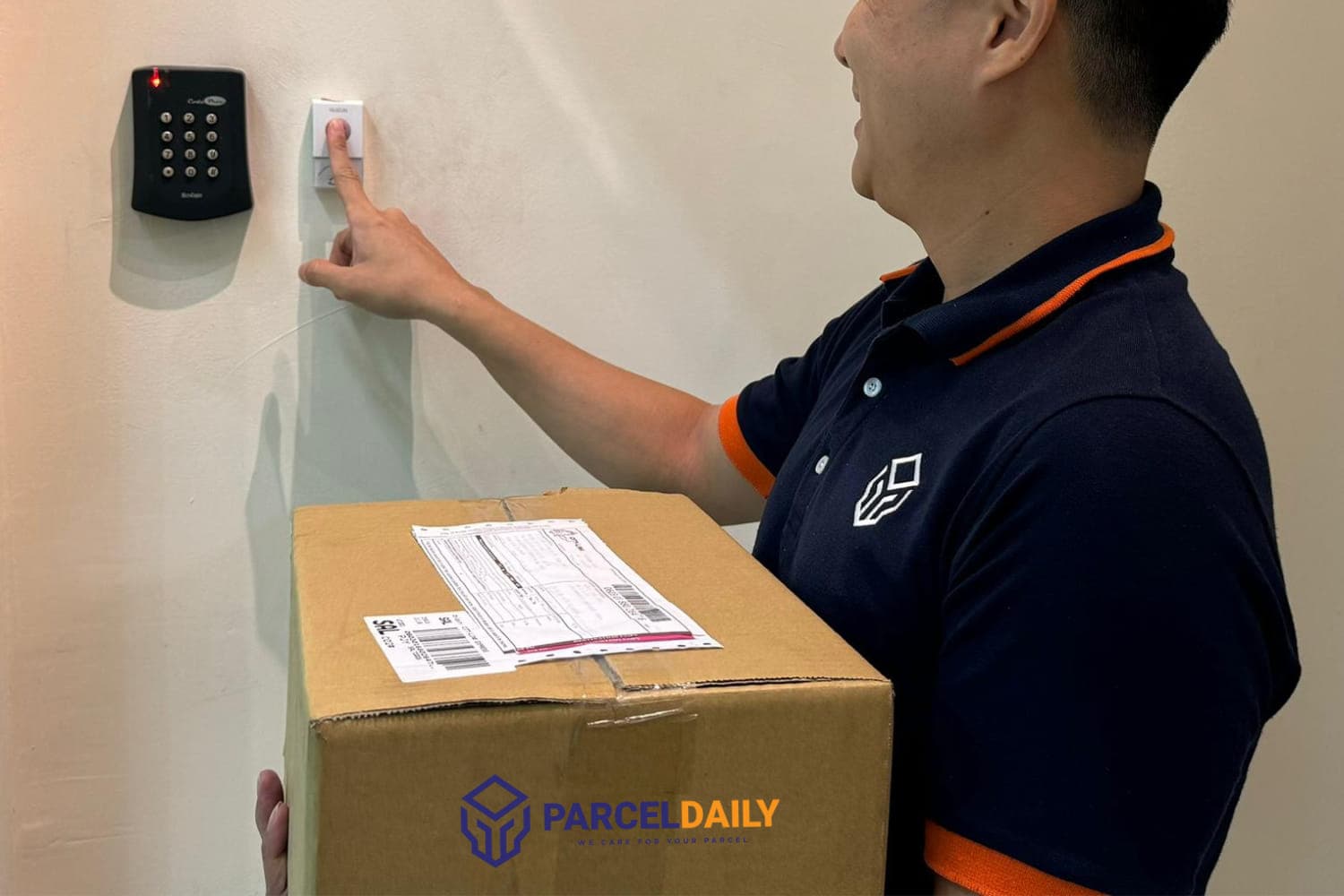
Everything before this stage happens behind warehouse doors. The moment the delivery rider rings the doorbell, the brand’s reputation is literally on the doorstep.
1. It Defines the Customer Experience
A smooth handover builds instant trust, while one missed delivery can damage brand loyalty.
- Late or damaged parcels can quickly lead to refund requests.
- On-time and polite delivery creates lasting customer confidence.
- In Malaysia’s social media culture, one viral complaint about a failed delivery can hurt an entire brand’s image.
Read more: Why Is My Parcel Stuck in Transit? Common Reasons & Fixes
2. It Affects Repeat Purchases and Reviews
Even if the product is excellent, a poor delivery erases goodwill.
- PwC reports that 73% of consumers say customer experience is an important factor in their purchase decisions.
- Local eCommerce shoppers often switch platforms if their order is delayed more than twice.
- Reliable delivery improves online ratings and word-of-mouth marketing.
Remember, logistics is part of the customer experience.
3. It Impacts Operational Cost and Efficiency
Efficient last-mile systems lower re-delivery and fuel costs.
- Couriers in Klang Valley lose hours due to congestion and address confusion.
- Optimised routing and clear customer communication save time and petrol.
- For SMEs, this efficiency can mean the difference between profit and loss per order.
4. It Shapes Brand Perception
Customers associate the courier’s performance with the seller’s reliability.
- If a rider is late or rude, customers rarely blame the courier company, they blame the shop.
- Fast, courteous delivery strengthens brand identity and customer trust.
5. It Reflects Malaysia’s Growing Digital Economy
With Malaysia’s internet usage near universal, 70.6% of internet users purchased via e-commerce in 2023 making last-mile logistics fundamental to retail growth and the eCommerce courier delivery ecosystem. (Department of Statistics Malaysia (DOSM))
- Same-day delivery options are expanding in Kuala Lumpur, Johor, and Penang.
- Consumers now expect tracking links, delivery time slots, and instant customer service.
- Businesses that meet these expectations position themselves for long-term growth.
“Delivery speed and reliability have become new brand differentiators,” says a logistics analyst from ParcelDaily.
How Does Last-Mile Delivery Work in Malaysia?
The process usually involves five connected steps.
| Step | Description | Example |
| 1. Order Processing | Retailer receives order and confirms address | A customer buys electronics from an online store in Selangor |
| 2. Sorting & Dispatch | Parcels sorted at central hub | Sorted at Petaling Jaya distribution centre |
| 3. Route Planning | Routes optimised for area coverage | Delivery zones split by postcode |
| 4. Delivery to Doorstep | Rider or van delivers the parcel | Parcel arrives in Bangsar same day |
| 5. Proof of Delivery | Confirmation via photo, OTP, or signature | Rider uploads delivery photo through app |
This localised system has become faster due to warehouse automation, GPS tracking, and parcel aggregators like Parceldaily’s standard delivery tracking that link multiple couriers together.
“According to Meltwater’s Digital 2024 Malaysia Report, 61.9% of Malaysians aged 16–64 made an online purchase in 2023, highlighting how deeply eCommerce and last-mile delivery have become part of everyday life.”
What Are the Main Challenges of Last-Mile Delivery?
The “last mile” sounds short but hides big inefficiencies.
Urban congestion, rising fuel costs, and unpredictable customer availability cause repeated delays. Add in potholes, and the occasional roadworks and the delays rapidly add up.
Some common obstacles include:
- Traffic and weather disruptions in dense city areas like KL and Penang.
- Failed deliveries when recipients are not at home, causing re-routes.
- High operational costs for couriers needing to cover long distances for a single parcel.
- Limited rural access, where infrastructure is weaker and fewer riders are available.
Businesses in Malaysia have started using collection points, parcel lockers, and AI route systems to tackle these problems while balancing customer convenience. Which leads us to our next part.
How Businesses Can Improve Last-Mile Delivery
Improving last-mile delivery is about balancing cost, speed, and customer satisfaction.
Even small online sellers and local retailers can boost delivery efficiency with a few smart systems, partnerships, and better communication.
Optimise Delivery Routes and Schedules
Plan routes efficiently to save fuel and time.
Instead of manually assigning drivers, use simple mapping tools that calculate the quickest route and avoid traffic-heavy areas.
- Use free mapping apps or route planners that support multiple stops to improve daily delivery flow.
- Schedule deliveries by postcode or neighbourhood to reduce backtracking and idle travel.
- Monitor riders using basic GPS tracking tools or delivery aggregator dashboards to identify delays.
Our Recommendation: Sorting parcels by delivery zone before dispatch can save hours and petrol each day.
Offer Flexible Delivery Options
Flexibility reduces failed deliveries and improves satisfaction.
Let customers choose when and how they receive their parcels.
- Offer standard, express, or same-day options where feasible.
- Provide pickup points or self-collection lockers in convenient public areas.
- Allow customers to update delivery time or address easily through chat or SMS before dispatch.
Example: Businesses that offer evening delivery slots often see fewer missed drop-offs compared to fixed 9–5 schedules.
Communicate Clearly with Customers
Transparent communication keeps deliveries smooth and predictable.
- Send automated updates for key milestones such as “out for delivery” or “arriving soon.”
- Include tracking links so customers can view their parcel’s progress in real time.
- Provide an easy contact channel (chat or hotline) for quick updates or delivery instructions.
Even a simple “your parcel will arrive within 15 minutes” message can prevent most missed deliveries.
Partner with Reliable Logistics Providers
Choose partners based on consistency, not just cost.
For most businesses, the right courier partner can make or break customer satisfaction. Cheap rates are tempting, but reliability, pickup area, and delivery speed matter far more in the long run.
- Work with delivery partners who specialise in your main regions. For example, Pos Laju offers strong national coverage, while Ninja Van performs well for urban same-day deliveries around Klang Valley.
- Test service quality before committing. Send a few trial parcels to compare delivery time, handling, and customer response.
- For East Malaysia, J&T and DHL eCommerce often handle regional routes with better infrastructure support, with delivery usually done in 5-7 days.
Many small retailers use different couriers for local and nationwide deliveries to balance cost and efficiency.
Invest in Sustainable Delivery Practices
Eco-friendly methods often lower expenses in the long run.
- Use electric bikes or fuel-efficient vehicles for urban routes.
- Group deliveries to minimise unnecessary trips.
- Reuse packaging materials or offer eco-friendly parcel options to appeal to sustainability-focused buyers.
Track and Improve Delivery Performance
Simple tracking helps you identify problems before they grow.
- Record delivery success rates, on-time percentages, and customer feedback in a simple log or spreadsheet.
- Review reasons for failed deliveries monthly.
- Use the insights to adjust routes, driver schedules, or communication methods.
Small improvements in delivery timing can translate into repeat orders and better online reviews. Customers will notice the improvements and delays.
“Businesses that treat delivery as part of customer service, not just logistics, win loyalty and reduce long-term costs.”
Conclusion: Last-Mile Delivery Matters More Than Ever
Last-mile delivery is more than just logistics, it’s where business promises meet customer expectations.
In Malaysia’s fast-moving e-commerce scene, speed, reliability, and trust now define which brands stand out. At ParcelDaily, we make that final delivery step seamless for both businesses and customers.
Our Cash-on-Delivery (COD) services are built to help online sellers improve cash flow, strengthen customer confidence, and grow sustainably.
Why Businesses Choose ParcelDaily
- Increase Trust: Boost customer confidence by offering secure cash transactions at the doorstep.
- Multiple Payment Options: Give your buyers flexibility with cash or digital payment choices.
- 24-Hour Remittance: Receive your money as soon as the parcel is delivered, helping you manage cash flow faster.
Fast payouts, reliable couriers, and transparent delivery, that’s how we help Malaysian businesses master the last mile.
Frequently Asked Questions About Last-Mile Delivery
What Is Last-Mile Delivery?
It is the final stage of delivery where parcels move from the local hub or warehouse to the customer’s location.
Why Is Last-Mile Delivery Expensive?
Because it involves multiple short trips, traffic delays, and higher labour costs per parcel compared to bulk transport.
How Can Businesses Improve Last-Mile Delivery Efficiency?
By using route optimisation software, tracking systems, and flexible pickup options to reduce failed deliveries.
What Technologies Are Used In Last-Mile Logistics?
AI route mapping, delivery tracking apps, electric vehicles, and parcel lockers for secure and fast delivery.
Does Last-Mile Delivery Affect Customer Satisfaction?
Yes. It directly impacts brand reputation and customer loyalty, as it is the most visible part of the delivery experience.
What Trends Define Last-Mile Delivery In 2025?
Automation, sustainability, real-time visibility, and faster turnaround times dominate logistics innovation this year.