

Key Takeaways
- Proof of Delivery (POD) confirms that a parcel reached its intended recipient with time, date, and evidence.
- It protects senders from false claims and supports refund, audit, and customer service processes.
- Malaysia’s leading couriers now use electronic PODs (ePODs) with photos, signatures, or OTPs.
- You can request PODs easily through tracking pages, customer service, or courier dashboards.
- Keeping POD records for 7 years to strengthen business accountability and delivery transparency.
Proof of Delivery (POD) is the official confirmation that a parcel has been successfully received by the intended recipient. It usually includes details such as the delivery date, time, signature, and even a photo for verification.
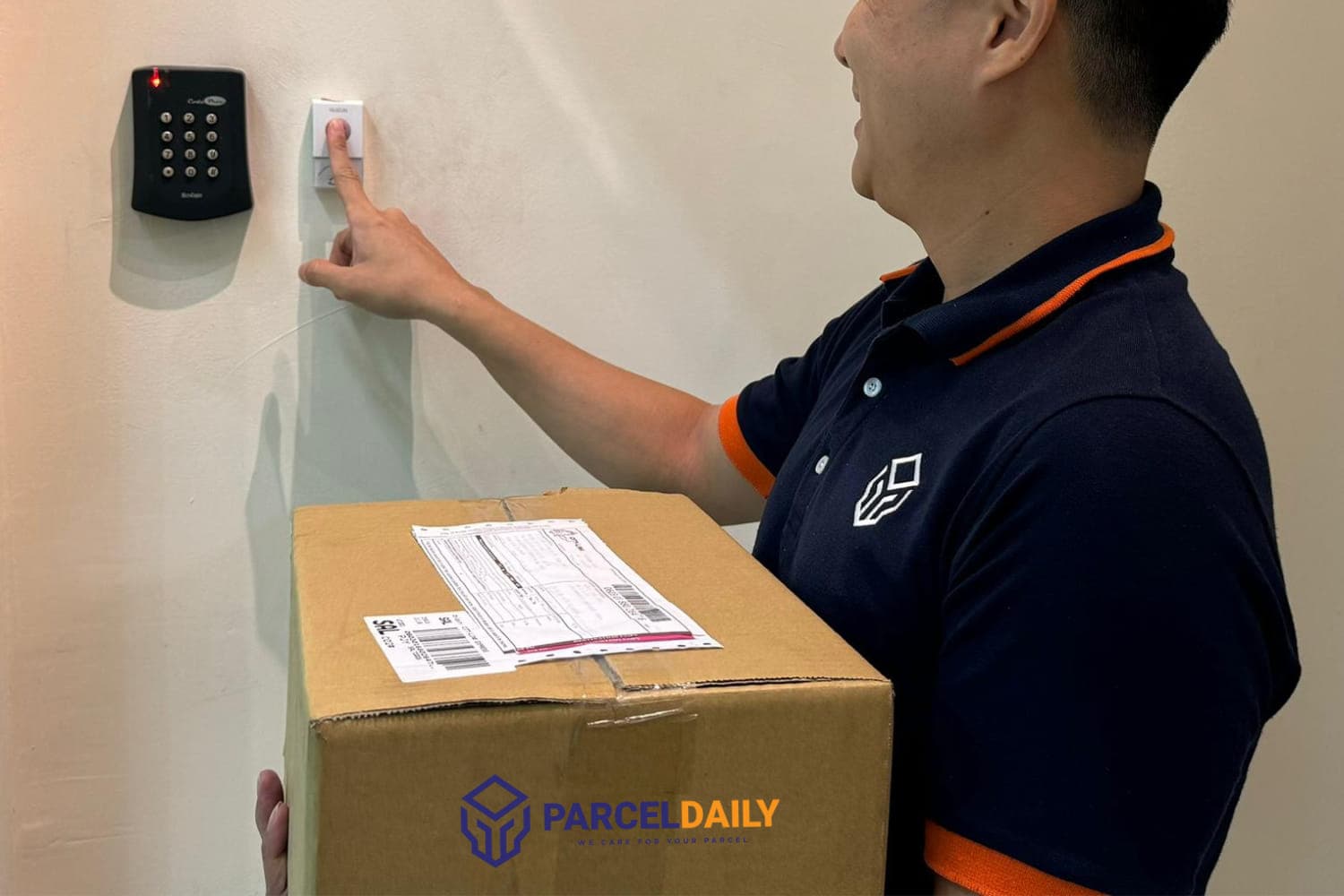
Ever had a customer swear they “never got the parcel,” even after your rider showed a selfie with their gate? That’s where Proof of Delivery saves the day, turning finger-pointing into solid evidence for courier service.
In this guide, we’ll break down what Proof of Delivery really means, why it matters for businesses in Malaysia, and how you can easily request one from your courier in 2025.
What Is Proof of Delivery (POD)?
Proof of Delivery (POD) is the official confirmation that a shipment has successfully reached its recipient.
In courier operations, it serves as a receipt proving the parcel was received at the correct address by the right person.
A POD can be:
- Physical: a signed paper delivery form.
- Digital (ePOD): an online record showing delivery date, time, recipient name, and photo of the handover.
In Malaysia, most courier companies have adopted digital POD systems that include:
- GPS location stamps for verification.
- Delivery photos for added security.
- Instant access through tracking portals.
These ePOD systems improve speed, accuracy, and paperless documentation, making delivery confirmation more efficient and transparent.
Why Is Proof of Delivery Important?
Proof of Delivery protects both sender and receiver by confirming that a shipment was completed as promised. It serves as evidence of fulfilment for every transaction.
For senders:
- Acts as official confirmation that the parcel reached the correct customer.
- Helps resolve “item not received” complaints or refund requests quickly.
- Provides records for financial audits and service-level reviews.
For recipients:
- Confirms who accepted the parcel, when, and at what location.
- Prevents confusion in shared addresses, offices, or multi-unit deliveries.
- Strengthens trust in online purchases by offering visible proof of delivery.
For businesses:
- Simplifies reconciliation for Cash-on-Delivery (COD) shipments.
- Reduces disputes with third-party couriers and end customers.
- Supports internal KPIs such as delivery success rate and first-attempt efficiency.
Without PODs, verifying completed or collected deliveries becomes guesswork, especially for online stores shipping hundreds of COD parcels daily.
What Information Does a Proof of Delivery Contain?
A typical Proof of Delivery document includes shipment and recipient details that prove handover.
Common information includes:
- Tracking or consignment number
- Recipient’s name and signature (or OTP code)
- Delivery date and time
- Address or GPS coordinates
- Courier’s name or ID
- Photo of the parcel being delivered (for ePODs)
Many Malaysian couriers such as Pos Laju, J&T, and DHL include this data digitally, accessible through the same tracking link used by customers.
“Electronic PODs have made delivery verification faster and more reliable, especially for eCommerce sellers managing large shipment volumes,” explains a logistics coordinator from ParcelDaily.
How To Request Proof of Delivery from a Courier
Most courier companies today make POD accessible through online tracking pages, merchant dashboards, or direct customer support.
Below is a simple, four-step process to help you request it quickly and efficiently.
1. Check Your Tracking Page
Your courier’s tracking page is usually the fastest way to access a POD.
- Visit the courier’s official website or mobile app.
- Enter your tracking number and look for options like “View POD,” “Delivery Details,” or “Consignment History.”
- If available, you’ll see details such as:
- Recipient’s name and delivery timestamp
- Photo of the handover or package at the doorstep
- GPS location (for ePOD systems)
Tip: Some couriers provide downloadable PDFs of PODs directly within the tracking page, which can be used as documentation for disputes or proof of service completion.
Read more: 5 Things to Check Before Accepting a Cash on Delivery Parcel
2. Contact Customer Service
If the tracking system doesn’t display the POD, the next best option is to contact the courier’s customer service team.
- Send an email or call their hotline to request your POD.
- Include these details:
- Tracking number
- Sender name and phone number
- Delivery date and recipient name
Example email template:
Dear [Courier Name] Support,
Kindly provide the Proof of Delivery for tracking number [XXXXXXX]. The parcel was delivered on [Date] to [Recipient Name].
Thank you.
If the tracking system doesn’t display the POD, contact the courier’s customer service team with your tracking number, sender/recipient details, and delivery date.
3. Through Business or Merchant Dashboards
If you are a registered business or merchant account holder, your courier platform likely offers built-in POD access.
- Log in to your courier dashboard or partner portal.
- Navigate to the “Delivered Shipments” or “Completed Orders” section.
- Download individual or bulk POD files for record-keeping.
These dashboards are particularly useful for eCommerce sellers managing high-volume shipments or handling COD transactions, as they consolidate all PODs in one place.
4. Save a Copy for Records
Once you receive your POD, it’s really important to store it properly.
- Save the document (PDF, photo, or screenshot) in a secure digital folder.
- Maintain archives for at least 7 years to cover:
- Customer disputes or refund cases
- Warranty verifications
- Tax or compliance audits
A well-documented Proof of Delivery system helps you resolve issues faster and avoid payment conflicts.
Source: IRBM Public Rulings & Customs Act
What If the Proof of Delivery Is Missing or Incorrect?
If your POD is missing, incomplete, or incorrect, contact the courier immediately.
Occasionally, PODs may not appear due to missed scans, blurred photos, or incorrect data entry. In such cases:
- Call the courier hotline and quote your tracking number.
- Ask for manual confirmation from the delivery branch.
- Request an internal investigation if the signature or name doesn’t match.
Retrieval time can vary, especially during peak seasons, so document the ticket ID and all communications.
What To Do If You Suspect a Fake POD
Sometimes it’s an honest mistake, other times it may indicate a scam or misdelivery. Knowing how to recognise red flags can save you a lot of trouble.
Common Warning Signs
- The photo doesn’t match your home or parcel. The background, gate, or floor tiles look unfamiliar.
- Wrong delivery date or missing timestamp. Legitimate ePODs always include clear time data.
- Recipient name seems generic. Watch out for vague entries such as “Resident,” “Neighbour,” or “Security.”
- Delivery marked as complete while you were home. If you never heard a knock or saw the rider, something’s off.
Real PODs are traceable and time-stamped. Anything too vague or inconsistent deserves a second look.
Steps To Verify
- Check your tracking number on the courier’s official website or app.
Avoid using search-engine ads or unfamiliar third-party links. Fake POD pages often mimic real courier portals. Pos Malaysia specifically warns users to check status only on its official domain. - Contact customer service for confirmation.
Provide your tracking number and request the rider’s delivery notes, GPS record, or photo evidence. Most couriers can verify within 24–48 hours. - Share clear information about your address.
Sending a short description or photo of your property helps the courier identify mismatched POD photos. - Ignore suspicious links.
If you receive an SMS or email saying “Click here to view your Proof of Delivery,” don’t click. Scammers use fake POD links to steal personal data or payment details. Always confirm through the courier’s legitimate domain.
“In the first quarter of 2025, Ninja Van Malaysia recorded over 3,500 parcel scam reports, the highest number ever logged by the company,” reported The Star (June 12, 2025)
Why Proof of Delivery Builds Trust in Every Shipment
Proof of Delivery is more than a simple receipt, it’s the trust and transparency between senders, couriers, and recipients. When every parcel is recorded with time, date, and verified evidence, everyone gains peace of mind.
At ParcelDaily, we make that process even easier. Our Standard Delivery Tracking lets you monitor parcels across multiple trusted couriers in one dashboard.
Instead of juggling separate tracking links, you can view updates, proof of delivery status, and courier performance side by side, all in real time.
By partnering only with verified, reputable couriers in Malaysia, we help ensure that every shipment is traceable, transparent, and handled by professionals who take delivery integrity seriously.
Sources:
- Pos Laju Official FAQ (2025)
- DHL Express Malaysia Help Centre
- J&T Express Tracking Portal
- Malaysia Communications and Multimedia Commission (MCMC) logistics data
- IRBM Public Rulings & Customs Act — 7-year record retention.
Frequently Asked Questions About Proof of Delivery
What Does Proof Of Delivery Mean In Courier Services?
It’s a confirmation record showing that a parcel was delivered to the correct person, often with name, time, and signature.
How Can I Request Proof Of Delivery For My Parcel?
Check your courier’s tracking page first. If unavailable, email or call customer support and provide your tracking number.
Can I Get Proof Of Delivery For Cash-On-Delivery Orders?
Yes. Most couriers include OTP codes or electronic signatures for COD deliveries, viewable through tracking portals.
Why Is Proof Of Delivery Important For Businesses?
It confirms shipment completion, helps manage refunds, and protects against false “item not received” claims.
What Happens If There’s No Proof Of Delivery?
Contact your courier immediately to verify the delivery manually or to retrieve archived data from the delivery branch.
How Long Do Couriers Keep Proof Of Delivery Records?
Retention varies by courier, but as a best practice you should keep your own delivery records (including PODs) for at least 7 years to comply with Malaysian record-keeping laws (Income Tax Act 1967) and Customs requirements.